
Pharmaceutical logistics has evolved. Regulation has not kept pace. This is the starting point of Pharma.Aero’s new industry initiative. Dual Temperature Acceptance in Pharma Air Cargo is a focused project designed to address a structural gap in the current air cargo framework, and to provide the industry with a clear, standardised position for engagement with International Air Transport Association (IATA).
The problem: one shipment, two temperature realities
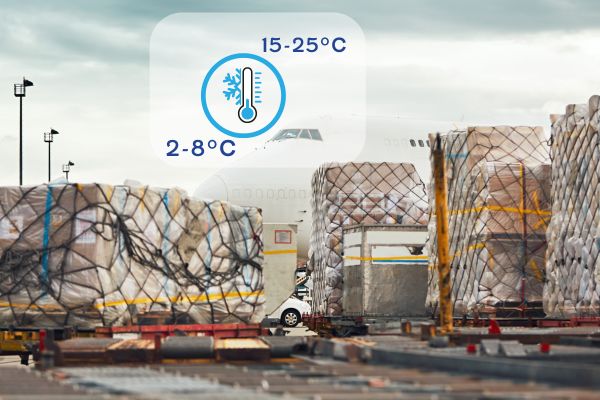
Today, many pharmaceutical products are validated under dual temperature strategies:
-
Controlled ambient transport (15–25°C) during transit
-
2–8°C cold chain storage upon arrival
This model is scientifically validated and operationally deployed across global supply chains.
Yet the current Air Waybill (AWB) structure allows only one single temperature declaration.
The result?
-
Operational ambiguity
-
Inconsistent handling interpretation
-
Manual workarounds
-
Increased compliance risk
In a supply chain where minutes matter and deviations cost millions, ambiguity is not a minor inconvenience. It is a systemic vulnerability.
This is a standardisation effort grounded in operational reality.
To ensure evidence-based positioning, a survey has already been sent to pharmaceutical manufacturers, and a dedicated airline survey follows shortly. The consolidated findings will serve as the foundation for an industry-endorsed opinion paper and structured engagement with IATA.
The objective: formal recognition within the AWB framework
Through this accelerated initiative, Pharma.Aero aims to:
-
Develop an industry-endorsed position paper
-
Define clear handling rules and responsibilities
-
Propose standardised AWB specifications reflecting real-world pharmaceutical shipping practices
-
Build alignment among manufacturers, airlines, airports, and forwarders
-
Prepare structured engagement with IATA for regulatory consideration